
继上一篇 "如果诸葛亮用 C#写出师表..."后,站长想自己的第一语言是 Java,虽然平时工作上用的不多,也用 Java 实现一遍吧,改改就是了,无非就是:
C#的Console.WriteLine改为Java的System.out.println;C#的string改为Java的String;C#的bool改为Java的boolean;C#的继承符号:改为Java的extends;C#的断言Debug.Assert改为Java的assert。
不到半个小时,Java版出师表就新鲜出炉了,和上篇声明一样,纯粹无聊写着玩,读者别在意枚举、类名、变量中文命名,纯粹为了娱乐。
出师表背景再来一次
今天让我们码农以特有的方式,来表达对丞相大人的敬仰与怀念!
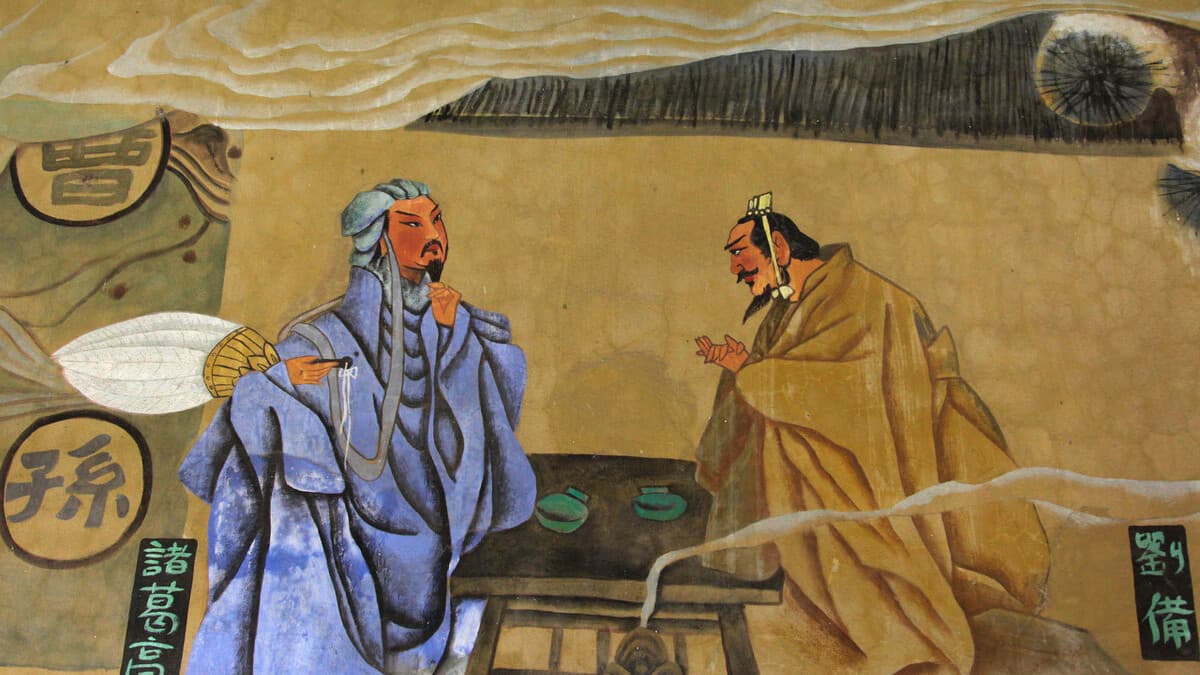
蜀章武元年(221 年),刘备称帝,诸葛亮为丞相。蜀汉建兴元年(223 年),刘备病死,将刘禅托付给诸葛亮。诸葛亮实行了一系列比较正确的政治和经济措施,使蜀汉境内呈现兴旺景象。为了实现全国统一,诸葛亮在平息南方叛乱之后,于建兴五年(227 年)决定北上伐魏,拟夺取魏的长安,临行之前上书后主,即这篇《出师表》。
Java 源码
定义的一些类、枚举
public enum 王道 {明, 昏}

/*
 * 先帝,陛下,文景,桓灵
 */
static class 君 {
    public String 名称;
    public boolean 在;
    public 王道 为君;

    public 君() {
        在 = true;
        为君 = 王道.明;
    }

    public boolean 创业(double percentage) {
        if (percentage < 0.5) {
            在 = false;
            System.out.println("创业未半而中道崩殂!");
            return false;
        } else {
            System.out.println("兴复汉室,还于旧都!");
            return true;
        }
    }

    public void 开张圣听() {
        System.out.println("开张圣听,光先帝遗德!");
    }

    public void 恢弘志士之气() {
    }

    public void 宾自菲薄() {
    }

    public void 引喻失义() {
        System.out.println("塞忠谏之路!");
    }

    public void 亲贤臣远小人() {
        为君 = 王道.明;
    }

    public void 亲小人远贤臣() {
        为君 = 王道.昏;
    }

    public void 治国() {
    }

    public void 偏私() {
        System.out.println("内外异法!");
    }

    public boolean 咨之(String 事) {
        if (王道.明 == 为君) {
            return true;
        }

        return false;
    }

    public boolean 施行(String 事) {
        return true;
    }

    public void 曰(String 言) {
        System.out.println(言);
    }

    public void 每与臣论此事() {
        System.out.println("叹息痛恨于桓灵。");
    }
}


static enum 臣德 {贤, 奸}

static class 侍卫之臣 {
    private 君 刘备 = new 君();
    private 君 刘禅 = new 君();

    public String 名称;
    public 臣德 为臣;

    public void 不懈于内() {
        System.out.println("侍卫之臣" + 名称 + "不懈于内");
    }

    public boolean 追先帝之殊遇() {
        if (刘备.为君 == 王道.明) {
            return true;
        } else {
            return false;
        }
    }

    public boolean 报之于陛下() {
        if (刘禅.为君 == 王道.明) {
            return true;
        } else {
            return false;
        }
    }

    public boolean 谋事(String 事) {
        if (为臣 == 臣德.贤) {
            return true;
        }

        return false;
    }
}

static class 忠志之士 {
    private 君 刘备 = new 君();
    private 君 刘禅 = new 君();

    public String 名称;
    public 臣德 为臣 = 臣德.贤;

    public void 忘身于外() {
        System.out.println("忠志之士" + 名称 + "忘身于外!");
    }

    public boolean 追先帝之殊遇() {
        if (刘备.为君 == 王道.明) {
            return true;
        } else {
            return false;
        }
    }

    public boolean 报之于陛下() {
        if (刘禅.为君 == 王道.明) {
            return true;
        } else {
            return false;
        }
    }

    public boolean 谋事(String 事) {
        if (为臣 == 臣德.贤) {
            return true;
        }

        return false;
    }
}

public static enum 气候 {兴盛, 疲弊, 兴隆, 倾颓}

/*
 * 曹魏,东吴,益州,先汉,后汉
 */
public static class 国 {
    public 气候 国运;

    public 国() {
        国运 = 气候.兴盛;
    }

    public void 付诸有司论其刑赏(侍卫之臣 臣) {
        if (臣.为臣 == 臣德.贤) {
            System.out.println("赏!");
        } else {
            System.out.println("刑!");
        }
    }
}

/*
 * 郭攸之,费祎
 */
public static class 侍中 extends 侍卫之臣 {
}

;

/*
 * 董允
 */
public static class 侍郎 extends 侍卫之臣 {
}

/*
 * 陈震
 */
public static class 尚书 extends 侍卫之臣 {
}

/*
 * 张裔
 */
public static class 长史 extends 侍卫之臣 {
}

/*
 * 蒋琬
 */
public static class 参季 extends 侍卫之臣 {
}

/*
 * 向宠
 */
static class 中都督 extends 忠志之士 {
}

/*
 * 诸葛亮
 */
static class 丞相 extends 侍卫之臣 {
    public void 回首往事() {
        System.out.println("臣本布衣,躬耕于南阳,苟全性命于乱世,不求闻达于诸候。先帝不以臣卑鄙,猥自枉屈,三顾臣于草庐之中,咨臣以当世之事,由是感激,遂许先帝以驱驰。后值巅覆,受任于败军之际,奉命于危难之间,尔来二十有一年矣。");
    }

    public void 表忠心() {
        System.out.println("先帝知臣谨慎,故临崩寄臣以大事也。受命以来,夙夜忧叹,恐托付不效,以伤先帝之明。故五月渡泸,深入不毛。");
    }

    public void 请战() {
        System.out.println("今南方已定,兵甲已足,当奖率三军,北定中原,庶竭驽钝,攘除奸凶,兴复汉室, 还于旧都。");
    }

    public void 道别() {
        System.out.println("今当远离, 临表涕零, 不知所言。");
    }
}
Java的main方法
public static void main(String[] args) {
    君 先帝 = new 君();
    先帝.名称 = "先帝";
    先帝.创业(0.49);

    国 益州 = new 国();
    益州.国运 = 气候.疲弊;

    System.out.println("此诚危急存亡之秋也!");

    侍中 郭攸之 = new 侍中();
    郭攸之.名称 = "郭攸之";
    if (郭攸之.追先帝之殊遇() && 郭攸之.报之于陛下()) {
        郭攸之.不懈于内();
    }

    侍中 费祎 = new 侍中();
    费祎.名称 = "费祎";
    if (费祎.追先帝之殊遇() && 费祎.报之于陛下()) {
        费祎.不懈于内();
    }

    侍郎 董允 = new 侍郎();
    董允.名称 = "董允";
    if (董允.追先帝之殊遇() && 董允.报之于陛下()) {
        董允.不懈于内();
    }

    中都督 向宠 = new 中都督();
    向宠.名称 = "向宠";
    if (向宠.追先帝之殊遇() && 向宠.报之于陛下()) {
        向宠.忘身于外();
    }

    君 陛下 = new 君();
    if (陛下.为君 == 王道.明) {
        陛下.开张圣听();
        陛下.恢弘志士之气();
    } else {
        陛下.宾自菲薄();
        陛下.引喻失义();
    }

    陛下.治国();

    boolean 宫中 = false;
    boolean 府中 = false;
    boolean 陟臧 = false;
    boolean 罚否 = false;
    assert (宫中 == 府中);
    assert (陟臧 == 罚否);

    侍卫之臣 作奸犯科者 = new 侍卫之臣();
    作奸犯科者.为臣 = 臣德.奸;
    侍卫之臣 为忠善者 = new 侍卫之臣();
    为忠善者.为臣 = 臣德.贤;
    if (陛下.为君 == 王道.明) {
        益州.付诸有司论其刑赏(作奸犯科者);
        益州.付诸有司论其刑赏(为忠善者);
    } else {
        陛下.偏私();
    }

    if (郭攸之.为臣 == 臣德.贤
            && 费祎.为臣 == 臣德.贤
            && 董允.为臣 == 臣德.贤) {
        System.out.println("此皆良实,志虑忠纯,是以先帝简拔以遗陛下。");
    }

    String 宫中之事 = null;
    if (陛下.咨之(宫中之事)
            && 郭攸之.谋事(宫中之事)
            && 费祎.谋事(宫中之事)
            && 董允.谋事(宫中之事)) {

        陛下.施行(宫中之事);
        System.out.println("裨补阙病, 有所广益");
    }

    if (向宠.为臣 == 臣德.贤) {
        System.out.println("性行淑均,晓畅军事。");
        System.out.print("先帝称之曰:");
        先帝.曰("能");
        System.out.println("是以众议举宠为督。");
    }

    String 营中之事 = null;
    if (陛下.咨之(营中之事)) {
        陛下.施行(宫中之事);
        System.out.println("行阵和睦,优劣得所!");
    }

    君 文景 = new 君();
    君 恒灵 = new 君();
    国 先汉 = new 国();
    国 后汉 = new 国();

    文景.亲贤臣远小人();
    先汉.国运 = 气候.兴隆;
    恒灵.亲小人远贤臣();
    后汉.国运 = 气候.倾颓;

    do {
        先帝.每与臣论此事();
    } while (先帝.在);

    if (郭攸之.为臣 == 臣德.贤
            && 费祎.为臣 == 臣德.贤
            && 董允.为臣 == 臣德.贤) {
        System.out.println("此悉贞良死节之臣,愿陛下亲之信之,则汉室之隆,可计日而待也。");
    }

    丞相 诸葛亮 = new 丞相();
    诸葛亮.回首往事();
    诸葛亮.表忠心();
    诸葛亮.请战();               // 此臣所以报先帝而忠陛下之职分也
    诸葛亮.道别();
}
代码输出《出师表》
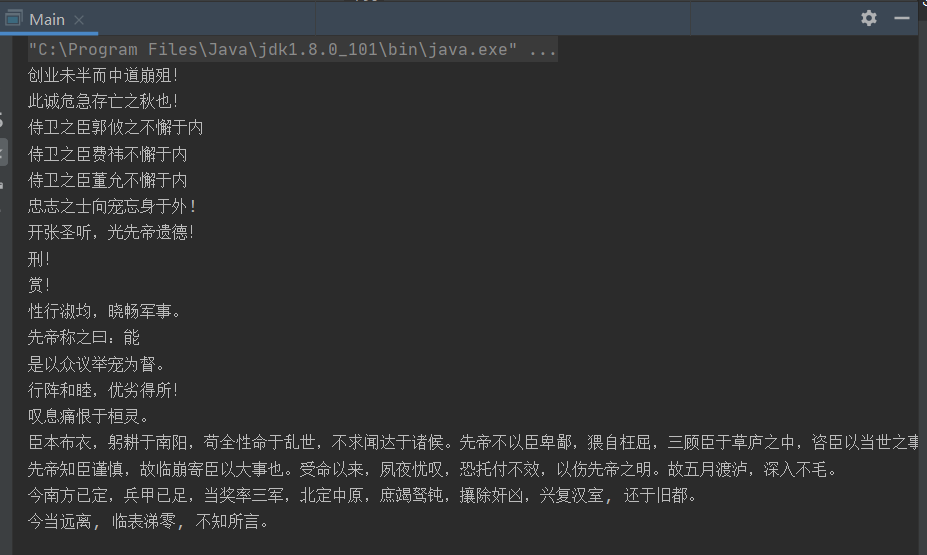
创业未半而中道崩殂!
此诚危急存亡之秋也!
侍卫之臣郭攸之不懈于内
侍卫之臣费祎不懈于内
侍卫之臣董允不懈于内
忠志之士向宠忘身于外!
开张圣听,光先帝遗德!
刑!
赏!
性行淑均,晓畅军事。
先帝称之曰:能
是以众议举宠为督。
行阵和睦,优劣得所!
叹息痛恨于桓灵。
臣本布衣,躬耕于南阳,苟全性命于乱世,不求闻达于诸候。先帝不以臣卑鄙,猥自枉屈,三顾臣于草庐之中,咨臣以当世之事,由是感激,遂许先帝以驱驰。后值巅覆,受任于败军之际,奉命于危难之间,尔来二十有一年矣。
先帝知臣谨慎,故临崩寄臣以大事也。受命以来,夙夜忧叹,恐托付不效,以伤先帝之明。故五月渡泸,深入不毛。
今南方已定,兵甲已足,当奖率三军,北定中原,庶竭驽钝,攘除奸凶,兴复汉室, 还于旧都。
今当远离, 临表涕零, 不知所言。